

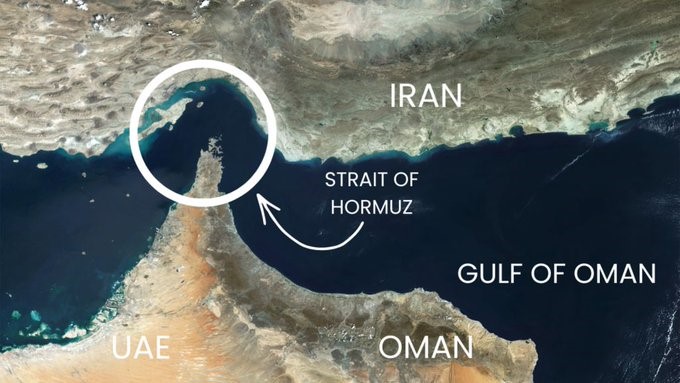
The ongoing U.S.–Iran standoff has significantly disrupted shipping and trade in the Strait of Hormuz, with traffic plummeting as of April 20, 2026. Following a brief opening, the waterway was reclosed on Saturday, and tracking data on Monday showed only four ships had successfully made the crossing in either direction.
Shipping is crippled by competing blockades; Washington is enforcing a shutdown of Iranian ports while Tehran has reclosed the passage, warning that any approaching vessel will be treated as a target.
President Donald Trump recently announced that U.S. forces seized an Iranian-flagged cargo ship (the Nova Crest) that attempted to bypass the naval blockade, prompting vows of retaliation from Tehran.
The disruption affects roughly a fifth of the world’s oil supply. According to Euronews, the German shipping giant Hapag-Lloyd reports that 150 sailors are currently trapped on six vessels due to the standoff.
A recent ceasefire agreement is in jeopardy. President Trump has criticized Tehran on Truth Social for doing a “very poor job” of allowing oil flow, asserting that the deal required uninterrupted passage.
While some progress was noted during high-level talks in Islamabad, Pakistan, Iran’s parliament speaker stated that a final peace deal remains “far” off. Tehran refuses to reopen the chokepoint until the U.S. ends its blockade of Iranian ports.
Iran and Oman maintain power to enforce rules over passage, often citing “non-innocent” passage to restrict vessels, a position the U.S. continues to challenge legally and militarily.
The U.S. has labeled certain goods—including oil, iron, and steel—as “conditional contraband” subject to capture, further deterring commercial insurance companies from covering transit through the region.
Organizations like the International Energy Agency (IEA) note that nearly 34% of global crude oil trade passes through this strait, with major economies like China and India being the most affected by these delays.


