

Written by Dr Dauda Awwal,
Senior Political Editor, World Affairs-The National Press Newspaper.
U.S. President Donald Trump ordered U.S. strikes against three Iranian Nuclear Facilities-Fordow, Natanz, and Isfahan-on June 21, 2025, in what’s being called Operation Midnight Hammer.
What Happened
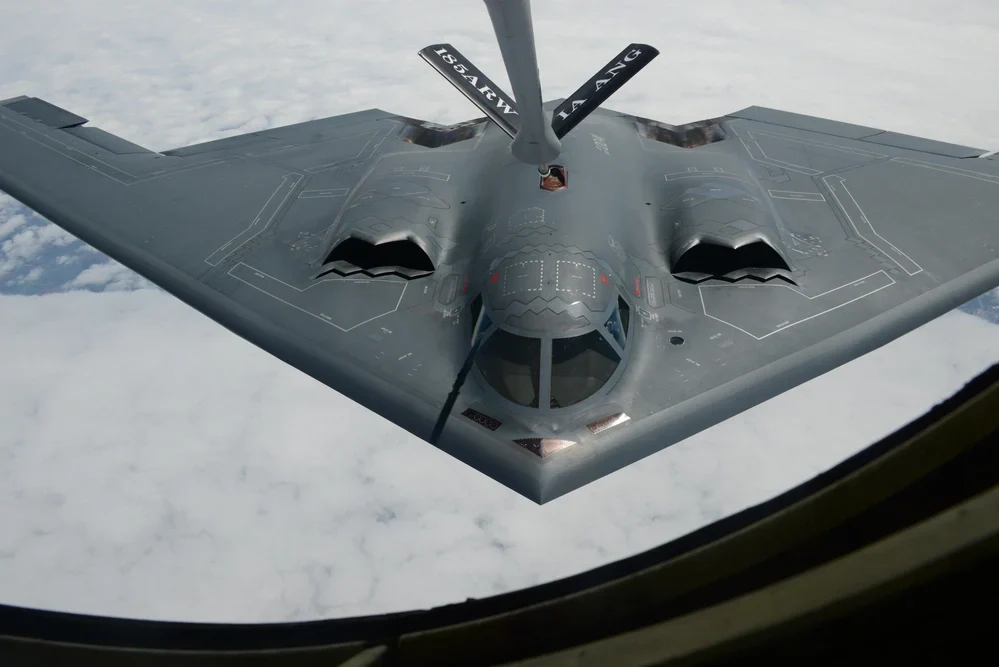
The U.S. used B-2 Spirit Stealth Bombers carrying GBU-57 Massive Ordnance Penetrator Bunker Buster Bombs on Fordow and Natanz and launched Tomahawk cruise missiles against Natanz and Isfahan. Trump described it as a ”Spectacular Military Success” aimed at dismantling Iran’s Nuclear Enrichment Capabilities.
This action was taken without prior congressional approval, triggering a fierce debate in the US presidential War Power.
Reaction & Context
Supporters-mostly Republicans and Israeli Officials-praised it as a decisive blow to Iran’s Nuclear Ambitions.
Critics, including Democrats like AOC, Hakeem Jeffries, and Chuck Schumer, argued it was unconstitutional, violated the War Powers Act, and risked pulling the U.S. into a broader conflict.
Iran condemned the attack under International Law, and Nations such as Pakistan officially criticized the strikes.
Retaliation via Proxy Strike on Israel.
Hours after the U.S. strikes, Iran launched Ballistic Missiles targeting Israel-Not American Forces casualties were reported in Tel Aviv, and over 80 were injured. Officials in Iran’s Revolutionary Guards and Defense apparatus confirmed this action to the Press and hinted at broader opinions, including strikes on U.S.Naval Assets in Bahrain and closing the Strait of Hormuz, though these plans remain in rhetoric.
The Situation Moving Forward
Iran’s Government has stated it ”reserves all options”, meaning American targets could be in play no strikes have occurred against U.S. forces so far.
Analysts warn of potential proxy actions via Hezbollah, Houthi, or Militia Groups or asymmetric attacks on U.S. bases- but that remains anticipatory.


