

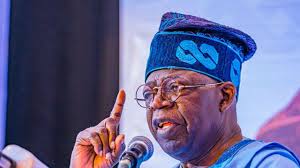
Here are 50 major milestones and transformative actions delivered by President Bola Ahmed Tinubu’s administration since assuming office.
1–10: Major Economic Reforms
- Ended the long-standing fuel subsidy regime, freeing up government funds.
- Abolished multiple foreign exchange rates in favour of a unified market-driven FX system.
- Redirected subsidy savings into education, healthcare, and infrastructure investments.
- Improved fiscal health by reducing the debt service-to-revenue ratio from ~97% to below 50%.
- Raised Nigeria’s external foreign reserves to multi-year highs (~$42 billion).
- Implemented broad tax system reforms aimed at expanding the tax base.
- Secured a string of tax reform bills through the National Assembly.
- Drove record non-oil revenue generation, including over ₦20 trillion in 2025.
- Achieved consecutive trade surpluses, reversing a decade of deficits.
- Diversified export earnings with expanded non-oil exports (~48% of total).
11–20: Economic Growth & Stability
- Registered notable GDP growth, strongest in years in 2024–2025.
- Achieved a balance of payments surplus (around $6.83 billion in 2024).
- Stabilized the naira by narrowing gaps between official and parallel market rates.
- Rebounded crude oil production to about 1.6–1.7 million barrels per day.
- Enabled local petrol refining for the first time in decades.
- Attracted significant foreign investments, over $50 billion in MoUs (across sectors).
- Secured major oil & gas investments like the Bonga North Field project (~$5 billion).
- Signed a $25 billion gas pipeline deal with Equatorial Guinea.
- Signed multiple bilateral investment MoUs with nations like India, China, Germany.
- Unleashed investment and interest in solid minerals and mining.
21–30: Infrastructure & Energy
- Kick-started the Lagos-Calabar Coastal Highway project.
- Advanced the Sokoto-Badagry Highway construction.
- Progress on rail projects: e.g., Kano-Katsina-Maradi and Kaduna-Kano lines.
- Upgraded major Nigerian ports (e.g., Apapa, Lekki) to receive very large ships.
- Inaugurated the ANOH and AHL gas processing plants, boosting domestic gas supply.
- Signed the Electricity Act, ending the federal monopoly in power generation/distribution.
- Initiated the Compressed Natural Gas (CNG) transport initiative.
- Allocated significant funds to road construction nationwide.
- Rehabilitation of the Port Harcourt refinery to reduce fuel imports.
- Ongoing development of energy-related infrastructure, including pipelines and gas projects.
31–40: Education, Social Welfare & Human Capital
- Established the Nigerian Education Loan Fund (NELFUND).
- Disbursed over N56 billion in student loans to hundreds of thousands of students.
- Launched a social cash transfer program targeting millions affected by subsidy removal.
- Introduced a monthly stipend (~N45,000) for technical college students.
- Initiated the Renewed Hope Home-Grown School Feeding project.
- Expanded youth entrepreneurship funding through Presidential Loan and Grant schemes.
- Combatting unemployment with digital jobs and skill development programmes.
- Set up a Consumer Credit Corporation to support consumer financing.
- Allocated funds for technical and vocational education opportunities.
- Boosted social investment payouts to vulnerable households (~₦330 billion).
41–50: Security, Governance & Regional Leadership
- ECOWAS chairmanship and activation of a Standby Force for regional security.
- Support to frontline states fighting terrorism (~$4 million or more).
- Reported neutralization and surrender of tens of thousands of insurgents.
- Enhanced military operations destroying illegal oil refining sites.
- Boosted asset recovery and convictions through anti-corruption agencies (EFCC).
- Digitalization and transparency initiatives in public service and financial tracking.
- Signed numerous bills into law (tax, education, etc.) to strengthen governance.
- Promoted local government autonomy reforms.
- Expanded cooperation with global anti-corruption and law enforcement bodies.
- Enhanced diplomatic engagement and foreign policy initiatives on multiple fronts.


