

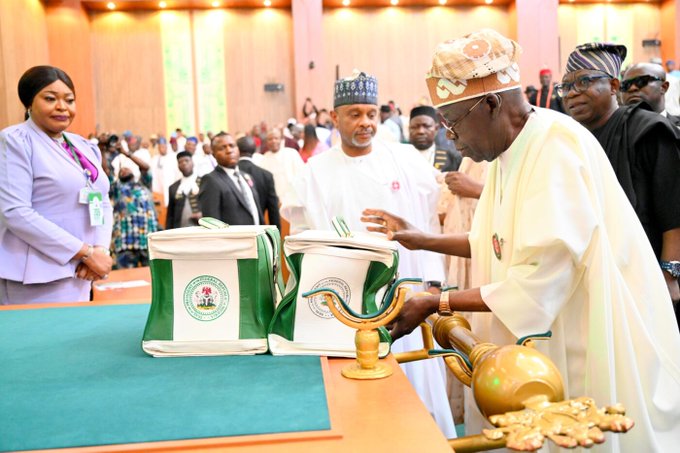
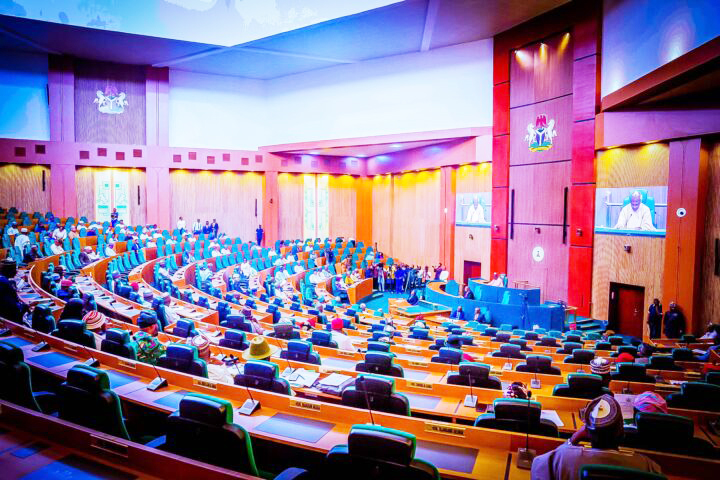
The Nigerian Senate formally commenced the debate on the 2026 Appropriation Bill on Tuesday, December 23, 2025. This follows the formal presentation of the budget by President Bola Tinubu to a joint session of the National Assembly on December 19, 2025.
Status of the 2026 Budget (As of December 2025)
Second Reading Passed: The Senate has already passed the ₦58.47 trillion 2026 Appropriation Bill for its second reading.
Next Steps: The Bill has been referred to the Senate Committee on Appropriations and other relevant standing committees for further legislative scrutiny and budget defense sessions with government agencies.
Thematic Focus: Titled the “Budget of Consolidation, Renewed Resilience, and Shared Prosperity,” the plan aims to shift from economic adjustment to disciplined growth.
Key Fiscal Parameters & Projections
The 2026 budget is based on several conservative macroeconomic assumptions:
Total Expenditure: ₦58.18 trillion (with some reports citing ₦58.47 trillion).
Projected Revenue: ₦34.33 trillion.
Budget Deficit: ₦23.85 trillion (approx. 4.28% of GDP).
Oil Benchmark: $64.85 per barrel.
Oil Production: 1.84 million barrels per day.
Exchange Rate: ₦1,400 to $1 USD.
Major Sectoral Allocations
The 2026 proposal prioritizes security and infrastructure to stabilize the economy:
Defence and Security: ₦5.41 trillion (the largest share).
Debt Servicing: ₦15.52 trillion.
Capital Expenditure: ₦26.08 trillion.
Infrastructure: ₦3.56 trillion.
Education: ₦3.52 trillion.
Health: ₦2.48 trillion.
The Senate has committed to an expedited review process to ensure the 2026 fiscal year can begin on time on January 1, 2026.


