

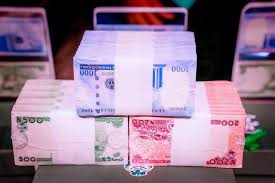
Central Bank of Nigeria, CBN, Governor Olayemi Cardoso announced Nigeria is shifting from heavy borrowing to building reserves through improved FX liquidity, increased non-oil exports, and robust diaspora remittances, citing rising foreign reserves to $46.7 billion and better macroeconomic stability, indicating a move towards self-sufficiency and reduced reliance on external loans, with strong signs of renewed investor confidence despite ongoing reforms like bank recapitalization.
Key Takeaways from Cardoso’s Statements:
Reduced Borrowing: Nigeria is rebuilding reserves organically, not through more borrowing, marking a significant shift.
Stronger Reserves: External reserves hit $46.7 billion, the highest in years, covering over 10 months of imports.
Improved FX Market: Reforms have led to greater FX liquidity, less volatility, and a smaller gap between official and parallel rates.
Investor Confidence: Capital inflows of over $20 billion (Jan-Oct 2025) suggest investors see Nigeria turning a corner.
Key Drivers: Increased non-oil exports, growing services trade, and strong diaspora inflows (up to $600m/month) are boosting forex.
Banking Sector Strength: The sector remains robust, with ongoing bank recapitalization progressing well.
Policy Focus: Future goals include deepening price stability, enhancing digital infrastructure, and strengthening data analytics for policy.
Context:
This shift follows earlier challenges, including large “ways and means” borrowing from the CBN, which Cardoso’s team has worked to stabilize by halting deficit monetization and tightening liquidity.
The reforms aim to create a more resilient economy, less vulnerable to external shocks, with clearer policy direction and greater transparency.


