

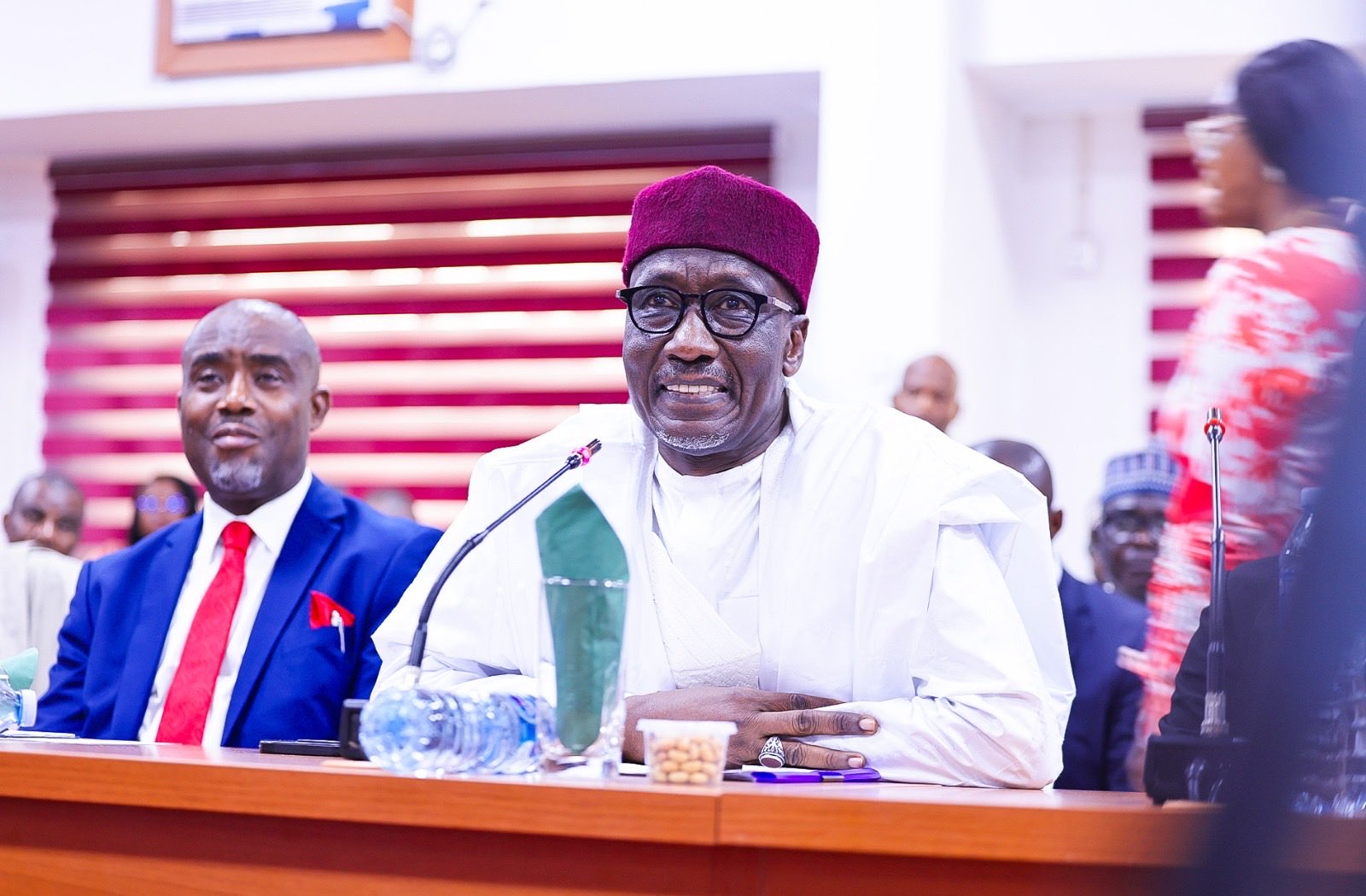
Today, I appeared before the Senate Committee on Public Accounts to address issues arising from the audit of the Nigerian National Petroleum Company Limited (NNPC Ltd) and provide clarifications on matters relating to my tenure as Group Managing Director of NNPC and subsequently Group Chief Executive Officer of NNPC Limited.
I appreciate the opportunity provided by the Senate to present my explanations, respond to concerns raised in the audit report and place certain issues in their proper context.
At the heart of my presentation was the need to correct certain misconceptions and misinformation surrounding the financial records of the company, particularly the allegation that N210 trillion was lost under my leadership.
I stated unequivocally before the committee that no such funds were lost. The figure arose from accounting entries and bookkeeping descriptions, not the disappearance or loss of money. I provided explanations on the relevant entries and reaffirmed my readiness to offer any additional clarification the committee may require.
I also addressed the N2.99 billion expenditure relating to the incorporation of NNPC Limited. I explained that the amount represented statutory payments to the Federal Inland Revenue Service and the Corporate Affairs Commission in connection with the company’s incorporation. The issue, as I clarified, relates to the accounting treatment and responsibility for the payment under the provisions of the Petroleum Industry Act, rather than any improper expenditure.
Beyond these specific issues, I considered it important to reflect on the institutional reforms undertaken during my tenure.
When I assumed leadership of NNPC in 2019, one of my foremost priorities was to establish a stronger framework for transparency, accountability and institutional responsibility. I firmly believed that a public institution entrusted with the nation’s resources must be accountable to the people, who are its ultimate stakeholders.
In pursuit of this objective, we took the unprecedented decision to publish the company’s financial statements, making its financial records publicly accessible for the first time in its 43-year history.
We understood that transparency would expose the company to greater scrutiny, criticism and public debate. However, we believed that public scrutiny was essential to building a stronger institution. Indeed, the disclosures generated constructive discussions, recommendations and internal reforms that helped improve operational efficiency, strengthen accountability and drive cost-saving measures.
These efforts contributed to a significant improvement in the company’s financial performance, moving from a loss position to sustained profitability. I am particularly pleased that the accountability structures established during our tenure have been sustained by the current management, with encouraging financial results.
The reforms also took place within the broader transformation of Nigeria’s petroleum industry following the enactment of the Petroleum Industry Act and further galvanized by Mr President’s policy interventions. We worked to implement the policy decisions of the Federal Government and the National Assembly, including the transition towards a market-based petroleum products regime.
During this period, we also witnessed increased investment in the oil and gas sector, the advancement of strategic gas infrastructure projects and the deepening of the downstream petroleum industry. These developments are important to the country’s energy security, economic growth and long-term investment prospects.
I remain proud of the opportunity to have served NNPC and contributed to the transformation of an institution that is central to Nigeria’s economic development.


