

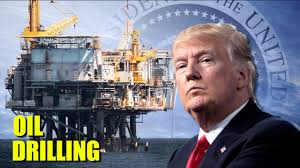
Following the military capture and removal of Nicolás Maduro, President Donald Trump announced that the United States would “run” Venezuela for the foreseeable future and move to take control of its oil reserves.
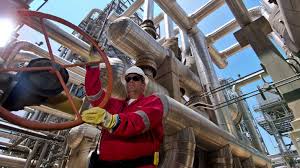
Trump stated that major U.S. oil companies would invest billions of dollars to fix Venezuela’s “badly broken” oil infrastructure, which has been in decline due to years of mismanagement and sanctions.
The President noted that while the U.S. government would oversee the transition, the costs of rebuilding the sector would be paid for by the oil companies directly, who would later be reimbursed.
“Drill, Baby, Drill” Globalized: During a press conference at Mar-a-Lago, Trump framed the operation as an extension of his energy policy, stating that the goal is to “get the oil flowing” again to defend U.S. energy interests.
Trump has described a plan for the U.S. to manage the country alongside partners until a “safe, proper and judicious transition” can occur.
While there is currently no public plan for a full U.S. civil administration, Trump signaled the U.S. would maintain a specific “presence in Venezuela as it pertains to oil”.
Despite the capture of Maduro, the Trump administration has indicated that the oil embargo against Venezuela remains in effect for now as they begin engaging with oil executives to plan for expansion.
Oil industry experts note that revitalizing the industry could take a decade and tens of billions of dollars.
Chevron that currently operates in Venezuela under specific waivers, other oil exploration giants like ExxonMobil and ConocoPhillips have been cautious, with ConocoPhillips stating it is prematurely speculating on future investments.
Analysts suggest the plan may not have an immediate impact on global oil prices due to an existing global surplus and the heavy, sour nature of Venezuelan crude, which requires specialized refining.


