

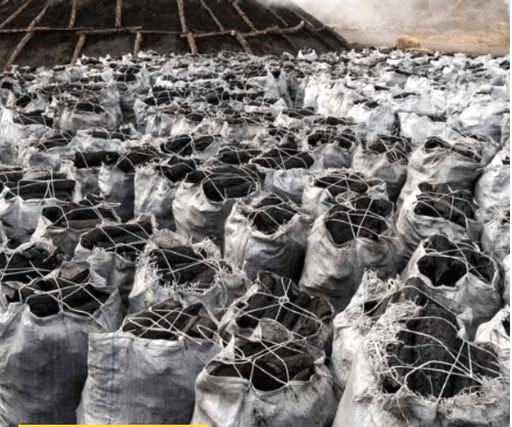
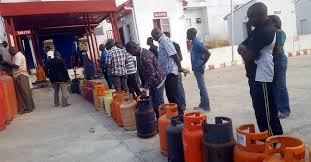
Nigerians resulted to charcoal, a local source of cooking before advent of cooking gas. Now that price of cooking gas per kilogramme has reached N2,400 and is out of reach for the poor homes.
Cooking gas prices in Nigeria have surged significantly, with retail rates now reaching between ₦1,500 and ₦2,400 per kilogramme.
This sharp increase means that refilling a standard 12.5kg cylinder now costs between ₦18,750 and over ₦25,000, up from around ₦1,000 per kg earlier in the year.
This situation has caused widespread frustration for households and small businesses already struggling with a rising cost-of-living crisis.
Why Cooking Gas is So ExpensiveAccording to reports from the National Association of Liquefied Petroleum Gas Marketers (NALPGAM) and industry experts, several factors drive this price jump.
Even though Nigeria produces local gas, domestic pricing is still tied to international market benchmarks.
When global rates go up, local prices rise too. Nigeria still relies heavily on imports to meet about half of its cooking gas needs. The weak value of the Naira against the US Dollar makes bringing the product into the country very expensive.
Marketers now pay between ₦25.2 million and ₦26.2 million to buy a single 20-metric-tonne truck of gas from depots.
These high operational costs are passed directly down to the consumer.
Frequent stock shortages at major supply points create distribution gaps, pushing up retail prices further.
Many families can no longer afford gas. They are turning back to charcoal and firewood, which raises concerns about deforestation and indoor air pollution.
Small restaurant owners and food vendors face higher operating costs. Many are forced to increase the price of cooked meals to survive.
With the monthly minimum wage at ₦70,000, spending over ₦25,000 just to refill a large gas cylinder has become an extreme financial burden.
Marketers and civil rights groups continue to call on the federal government and regulators to intervene, stabilize the market, and decouple local pricing from international rates to make clean energy affordable again.


