

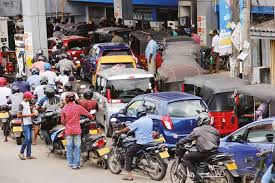
As of March 7, 2026, Nigeria is experiencing a period of significant fuel price volatility and emerging supply disruptions, primarily driven by global oil market instability and local distribution challenges.
Current Status of Fuel Availability
Resurfacing Queues: Long fuel queues have reappeared at filling stations in major cities like Lagos and Abuja, with some motorists reportedly waiting as early as 4:00 AM.
Station Closures: Several retail outlets, including those belonging to the NNPCL, are either shut or not dispensing fuel despite having products, as they recalibrate meters to reflect new prices.
Regional Impact: While Lagos is hit hard, reports indicate similar scarcity and price surges in Ibadan and other regions.
Latest Fuel Prices
Prices have spiked sharply over the first week of March 2026:
Retail Pump Price: Petrol is currently selling between ₦992 and ₦1,080 per litre at various stations.
Dangote Refinery Adjustments: The Dangote Petroleum Refinery recently raised its ex-depot (gantry) price to ₦995 per litre, a sharp ₦221 increase within just four days.
Primary Drivers of the Crisis
Middle East Tensions: Geopolitical conflict (US-Iran tensions) has pushed global crude oil prices above $84 per barrel, increasing the “replacement cost” for local refiners.
Supply Chain Disruptions: The Dangote Refinery briefly halted petrol loading operations on Friday, March 6, due to pricing uncertainty, which triggered panic buying and market speculation.
Import Dependency: Although local refining has increased, Nigeria still faces exposure to global shocks because the refinery must sometimes source foreign feedstock when domestic crude supply is insufficient.
Outlook and Mitigation
Refinery Assurance: Aliko Dangote has reassured the public that the refinery has sufficient stock (over 30 days of sufficiency) and aims to eliminate queues permanently.
Expert Commentary: Analysts suggest that without the Dangote Refinery, the current global crisis would have resulted in even more acute scarcity and higher prices.


