

*Dangote threatened to flood market with distribution traller should PETROCAN begins strike
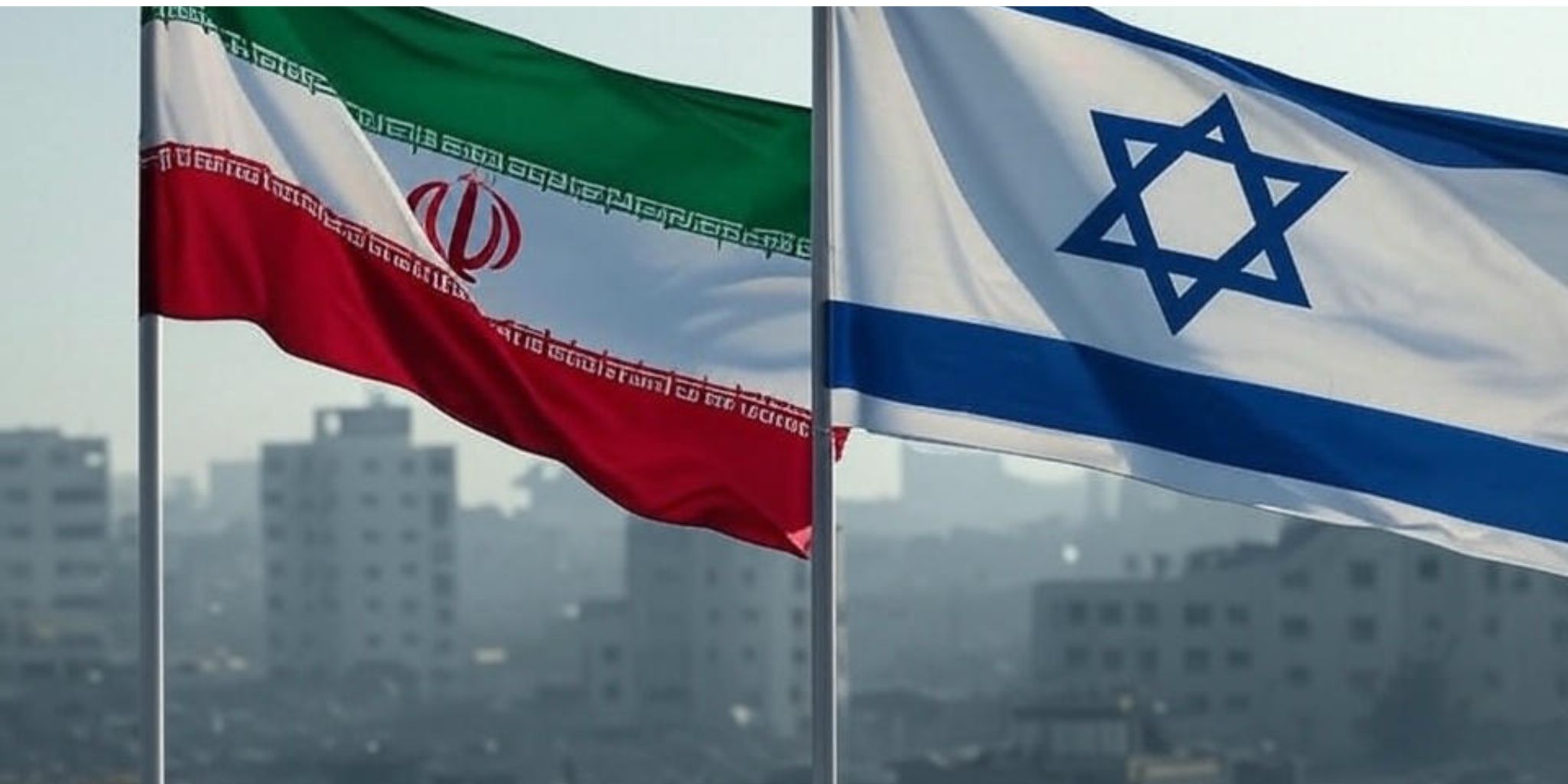
There are strong indications that prices of petrol may increase if current face off between Iran and Isreal is not check.
A fresh report by SBM Intelligence has warned that the conflict between Israel and Iran could lead to an increase in fuel prices in Nigeria.
The report attributed this to the fact that Nigeria still relies heavily on importing fuel to meet local demand.
Despite being a major crude exporter, Nigeria remains dependent on imports for refined petroleum products. Consequently, rising global oil prices increase the cost of imported fuel and the reference rate for domestically refined products, translating into higher pump prices,”
“These increases ripple through the economy, pushing up transport, food, and power costs, which could trigger further inflationary surges in a country already under considerable economic strain following the removal of fuel subsidies. For Ghana, which imports almost all its refined petroleum products at an average monthly cost of $400 million, the situation is a looming economic threat,” the report said.
“A sustained rise in global prices, coupled with a proposed GH¢1 fuel levy, could reverse recent relief at the pumps and trigger a ripple effect of hardship across the economy.”
A media, recently reported that a review of Nigeria’s foreign trade statistics for the first quarter of 2025 showed that ordinary motor spirit (petroleum) worth N1.7 trillion was imported.
The report also warned that the conflict poses a danger to regional African currencies.
“The conflict poses a threat to the stability of regional currencies,” it read.
It further cautioned that the country’s foreign direct investment could decline.
It said, “Furthermore, geopolitical instability erodes investor confidence, prompting a flight to safer assets.
“For Nigeria and Ghana, this translates into a sharp decline in foreign direct investment (FDI) and portfolio inflows, which stalls projects, slows job creation, and potentially leads to higher sovereign borrowing costs.”
The crisis between Israel and Iran has continued unabated, resulting in casualties on both sides.
While United States President Donald Trump stated that there may be an end in sight for the conflict, both countries have continued bombing each other.


