

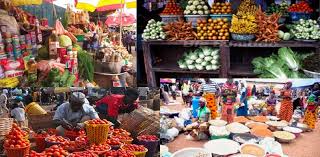
President Bola Ahmed Tinubu has directed a Federal Executive Council (FEC) committee to roll out immediate measures aimed at tackling Nigeria’s rising food prices, signaling a stronger government intervention in the country’s food security challenge.
The directive focuses primarily on ensuring the safe and unhindered movement of farm produce across the country’s transport routes. The strategy is expected to ease logistics bottlenecks, cut down transportation costs, and ultimately drive down the price of food items in markets nationwide.
The move is part of President Tinubu’s broader vision of achieving food sovereignty not just guaranteeing food availability, but also ensuring affordability, accessibility, and nutritional value on a sustainable basis.
In addition to transport reforms, the government is set to launch a Farmer Soil Health Scheme, designed to improve agricultural productivity by addressing soil fertility challenges. Alongside this, a revamped cooperative reform initiative is underway, aimed at mobilising resources and strengthening rural farmers’ capacity to actively participate in the economy.
The presidency has also highlighted the cooperative sector as a veritable tool for resource mobilisation, economic activity generation, and improving the livelihood of members.
The announcement comes at a time when Nigerians are grappling with soaring food costs, worsened by inflation, insecurity on farmlands, and supply chain disruptions. The administration’s push for safe passage of farm produce, coupled with fresh support for farmers, is being positioned as a critical step toward stabilising food prices and securing the country’s long-term agricultural future.


