

THE NATIONAL PRESS, SPECIAL REPORT BY Dr Daud Awwal
Ceasefire Breakthrough: U.S., Iran and Israel Pause War After Pakistan-Brokered Talks
Historic Islamabad Negotiations Offer Hope After Weeks of Conflict
By Dr Daud Awwal
Senior Correspondent, The National Press Newspaper
Dateline: Islamabad / Washington / Tehran — 11 April 2026
Introduction
After more than six weeks of intense warfare, a major diplomatic breakthrough has emerged in the Middle East. The United States, Iran, and Israel have agreed to a two-week ceasefire, temporarily halting hostilities following urgent mediation efforts led by Pakistan.
The agreement marks the first meaningful pause in a conflict that has destabilised the region, threatened global energy supplies, and drawn in multiple international actors.
From War to Negotiation: A Turning Point
The war, which began on 28 February 2026, escalated rapidly with large-scale airstrikes, missile attacks, and the opening of multiple regional fronts.
However, by early April, the risk of a wider regional catastrophe prompted urgent diplomatic intervention. Pakistan, led by Prime Minister Shehbaz Sharif, launched an intensive mediation effort involving back-channel diplomacy with Washington, Tehran, and regional allies.
These efforts culminated in a ceasefire agreement announced on 7–8 April, bringing a temporary halt to military operations.
Key Terms of the Ceasefire
According to officials and diplomatic sources, the ceasefire includes:
- Duration: Initial two-week truce between the United States and Iran
- Military pause: Suspension of U.S. and Israeli strikes on Iranian targets
- Iranian commitments: Reopening and securing the Strait of Hormuz for global shipping
- De-escalation goal: Create space for negotiations toward a longer-term peace
European leaders have welcomed the agreement as a “step back from the brink, emphasizing its importance for global stability and energy security.
The Islamabad Peace Talks
Historic Direct Negotiations
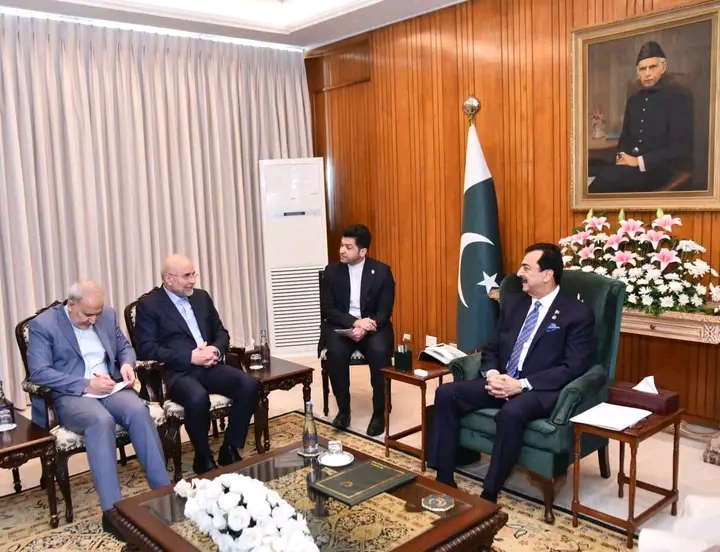
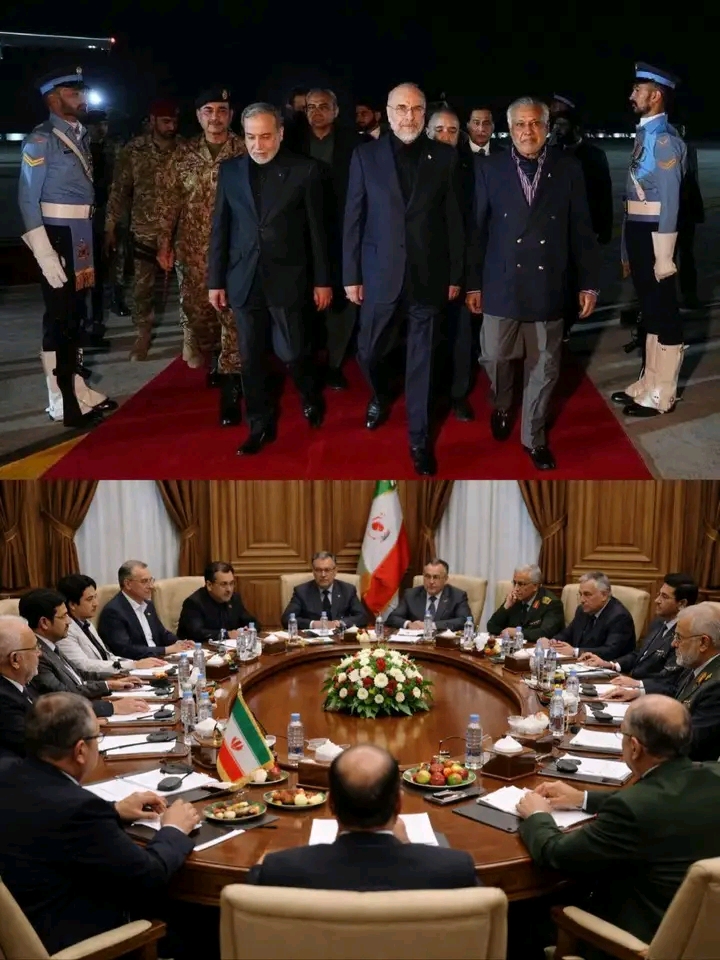
On 11 April 2026, senior U.S. and Iranian officials began direct, face-to-face talks in Islamabad, the first such engagement in decades.
The negotiations—known as the Islamabad Talks—are being hosted and mediated by Pakistan and aim to transform the temporary ceasefire into a lasting peace agreement.
Participants
- United States delegation: Led by Vice President JD Vance
- Iranian delegation: Led by senior political and diplomatic officials
- Mediator: Government of Pakistan
Outcomes of the First Phase of Talks
While negotiations are ongoing, several early outcomes and understandings have emerged:
- Agreement to Continue Dialogue
Both sides agreed to ongoing direct negotiations, exchanging written proposals to formalise ceasefire terms and explore a permanent settlement. - Focus on Strategic Issues
Key issues under discussion include:
- Security arrangements in the Gulf
- Future of the Strait of Hormuz
- Economic measures, including sanctions and frozen assets
- De-escalation in Lebanon and other proxy conflict zones
- Conditional Restraints
Pakistan reportedly secured U.S. assurances to limit Israeli military operations, a key demand from Iran to enter negotiations. - Framework for Long-Term Peace
Iran has pushed for a comprehensive agreement, including:
- Permanent ceasefire
- Reconstruction support
- Regional security guarantees
Pakistan’s Diplomatic Role
Pakistan has emerged as a central diplomatic actor, credited with preventing further escalation.
- Conducted intensive shuttle diplomacy across capitals
- Coordinated with global partners, including China
- Hosted and facilitated direct talks
Analysts describe the breakthrough as one of Pakistan’s most significant diplomatic achievements in recent years.
Regional and Global Impact
Economic Relief
The ceasefire has already eased pressure on global markets:
- Reduced fears of disruption in oil supplies
- Partial stabilisation of shipping through the Gulf
- Positive reactions in financial markets
Continued Risks
Despite the truce: - Fighting involving proxy groups, especially in Lebanon, remains a concern.
- The ceasefire is temporary and fragile.
- Any violation could rapidly reignite hostilities.
Humanitarian Outlook
The pause in fighting presents a critical window for humanitarian relief, enabling aid organisations to reach affected populations and assess the damage across conflict zones.
International leaders and organisations are urging all parties to extend the ceasefire and pursue a permanent resolution.
Conclusion
The Pakistan-brokered ceasefire and ongoing Islamabad Talks represent the first real opportunity to end the U.S.–Israel–Iran war since it began.
While the agreement remains fragile, it has opened a path toward diplomacy after weeks of devastating conflict. The coming days will determine whether this temporary truce evolves into a lasting peace—or merely a pause before renewed war.
End of Special Report
Dr.Daud Awwal
Senior Correspondent, World Affairs
The National Press Newspaper, London


