

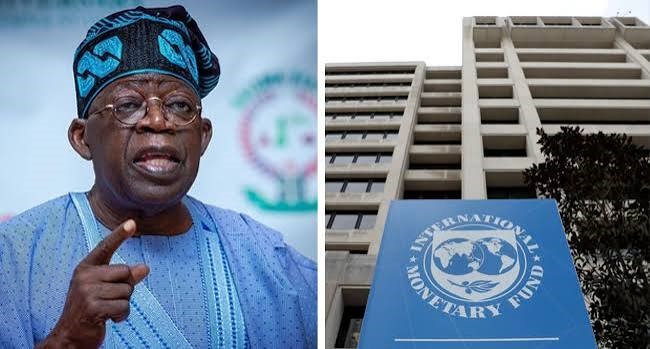
The International Monetary Fund (IMF) has warned that 63% of the Nigerian population now lives below the national poverty line, driven primarily by skyrocketing prices for food and essential goods.
While ongoing structural reforms have stabilized the country’s broader macroeconomic indicators, the IMF emphasizes that these fiscal gains have not yet translated into tangible relief for ordinary citizens.
Elevated to 63% of the population as of mid-2026, representing approximately 139 to 141 million citizens.
GDP growth is maintained at 4.1% for 2026 and 4.3% for 2027 in the July World Economic Outlook.
Estimated at over 27 million Nigerians facing acute vulnerabilities due to high food and fertilizer costs.
Persistent inflationary pressures continue to erase household income.
Surge in the costs of fuel, food, and utilities disproportionately impacts low-income earners.
Geopolitical tensions and supply disruptions are compounding domestic vulnerabilities.
Ongoing armed conflicts, particularly in agrarian regions, continue to stifle agricultural production.
Expand direct cash transfers and social safety programs to protect vulnerable households.
Maintain a restrictive monetary policy stance through the Central Bank of Nigeria (CBN) until inflation is anchored.
Mobilize domestic tax revenue gradually while fast-tracking electricity, infrastructure, and human capital investments.


