

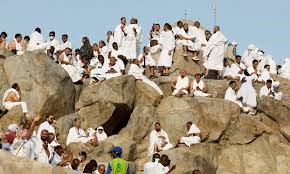
Muslim all over the world gather yesterday in Mecca to perform the last pillars of Islamic rites which states “whosoever that has money, should perform hajj”
Around 1.8 million Muslim pilgrims are gathering on the plains of Mount Arafat in western Saudi Arabia to mark the spiritual peak of the annual Hajj pilgrimage.
The gathering at Mount Arafat, also known as Jabal ar-Rahmah (The Mount of Mercy), takes place on the 9th day of Dhu al-Hijjah (the Day of Arafah). Standing in vigil (Wuquf) on these plains from noon until sunset is considered the absolute core of the Hajj pilgrimage. Without performing this ritual, a person’s Hajj is deemed invalid under Islamic tradition.
The Practice: Pilgrims spend the day in deep contemplation, reading the Quran, shedding tears, and raising their hands in intense supplication to beg Allah for absolute forgiveness and spiritual renewal.
The Rituals: Worshippers listen to the main Hajj sermon (Khutbah) and perform the Zuhr (noon) and Asr (afternoon) prayers combined and shortened at the historic Namirah Mosque.
The Historical Ties: The site is highly revered as the location where the Prophet Muhammad delivered his Farewell Sermon over 1,400 years ago, establishing principles of racial equality, unity, and human rights. It is also traditionally believed to be the place where Adam and Eve reunited on Earth.
To safeguard the massive influx of people, Saudi authorities have deployed AI-driven crowd management systems, security forces, and specialized medical teams.
Weather Realities: Pilgrims rely on umbrellas and cooling stations to withstand the intense, shifting desert heat.
The Next Phase: Immediately after sunset, the massive sea of believers will move from the plains of Arafat to the nearby area of Muzdalifah. There, they spend the night praying and gathering small pebbles to perform the symbolic Jamarat (stoning of the devil) ritual in Mina over the following days.
Observance for Non-Pilgrims
For Muslims around the world who are not physically attending the Hajj, it is highly recommended to fast on the Day of Arafah. Islamic tradition states that fasting on this specific day expiates and cleanses the sins of both the preceding year and the year to come. Global updates on the ongoing rituals are broadcasted continuously through media outlets like Al Jazeera and official channels of th


