

Nigeria is experiencing significant challenges with worsening poverty levels and a high cost of living due to recent economic policy changes, persistent inflation, and insecurity. The fuel subsidy removal and exchange rate unification have been primary drivers, eroding the purchasing power of millions of Nigerians in 2025.
Key Drivers and Statistics
Poverty: The number of Nigerians living in poverty has significantly increased. World Bank projections for 2025 estimated that over 52.5% of all Nigerians live in poverty, while other reports cited figures as high as 139 million people living below the national poverty line. In 2022, a multidimensional poverty index revealed that 63% (133 million) of Nigerians were multidimensionally poor.
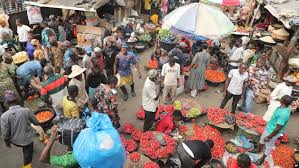
Inflation and Cost of Living: High inflation, averaging around 26.5% in 2025 according to the IMF, has reduced purchasing power, making basic necessities unaffordable for many. Food prices now consume roughly 80% of an average worker’s monthly income.
Policy Impacts: The removal of fuel subsidies on May 29, 2023, immediately increased transportation costs and prices nationwide. The unification of exchange rates led to a severe depreciation of the naira, further driving up the cost of imported goods.
Insecurity and Supply Chains: Insecurity, particularly in agricultural regions, has disrupted food production and supply chains, contributing to food price surges and general scarcity of goods.
Government and Individual Responses
The government has implemented some reforms to stabilise the economy, with the Central Bank of Nigeria managing inflation through various policies, which saw the annual rate fall to 14.45% by November 2025. Long-term strategies, such as the National Development Plan 2021-2025, aim to generate jobs and lift people out of poverty, though the effects are yet to be widely felt at a household level.
Nigerians are coping with the crisis through various personal survival strategies:
Prioritizing essential spending and cutting down on luxuries.
Creating and strictly adhering to budgets.
Seeking multiple income streams through side hustles, freelancing, and small-scale businesses.
Utilizing public transportation and carpooling to manage high transport costs.
Joining community support programs and cooperative societies.


